




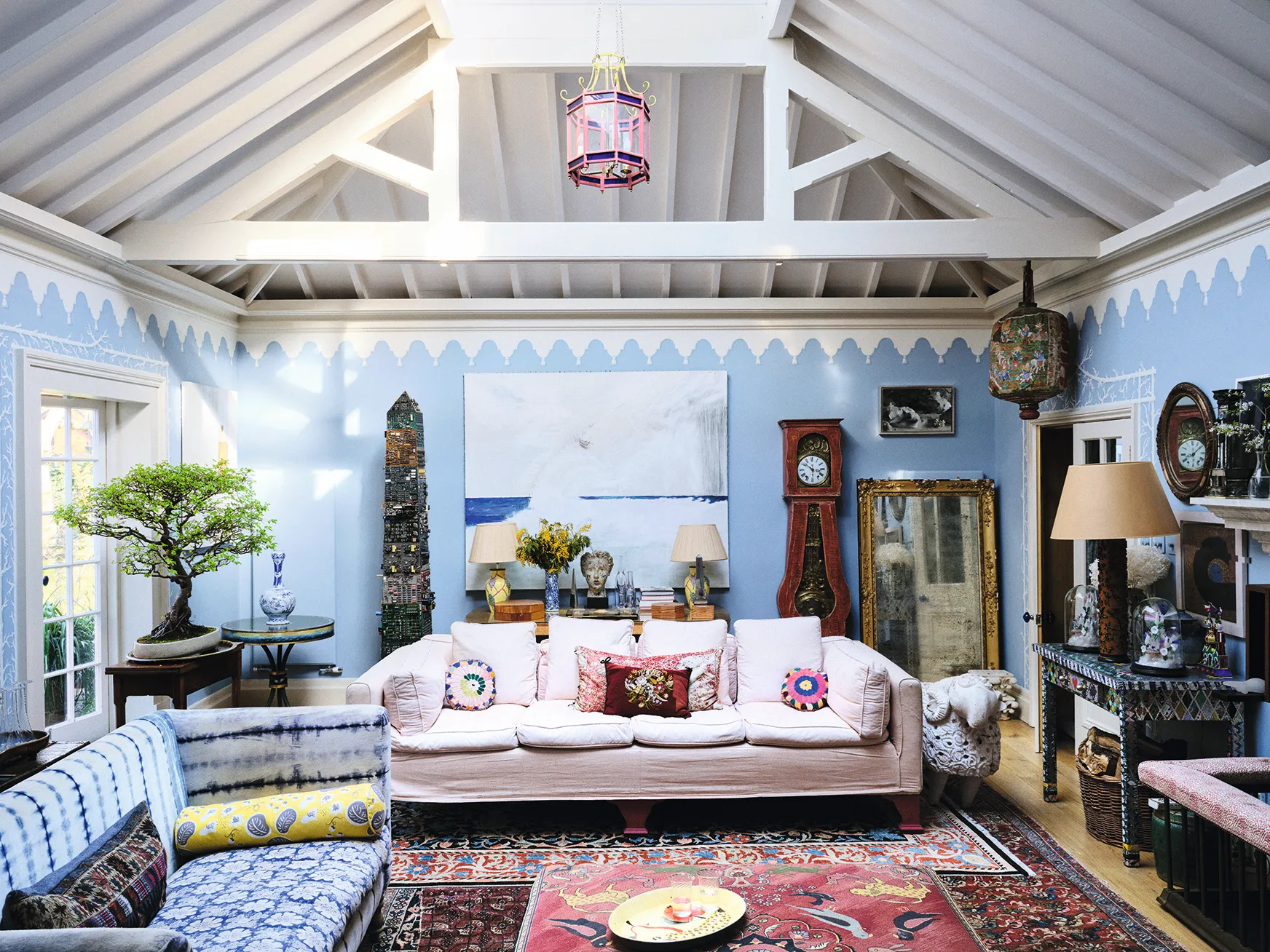
London properties range from modern apartments and contemporary offices to Victorian terraces, Edwardian houses, Georgian buildings, and older period homes. Each type of property can present different decorating challenges, from uneven plaster and ageing woodwork to intricate architectural details. A successful decorating project therefore involves much more than simply applying a new colour to the walls.
Professional Painters and decorators in London can combine surface preparation, suitable materials, careful application, and attention to detail to create finishes that look attractive and remain durable. Proper preparation is particularly important because cracks, holes, dust, grease, and loose coatings can affect how well new paint adheres to a surface.
What Do Painters and Decorators Do?
Painting and decorating involves a wide range of tasks. These can include painting walls and ceilings, preparing woodwork, repairing minor surface imperfections, applying wallpaper, painting doors and skirting boards, and refreshing exterior surfaces.
A professional decorator will normally assess the condition of the property before deciding which preparation methods, primers, fillers, paints, and application techniques are appropriate. Different materials and surfaces require different approaches, so a single method does not necessarily work for every room.
For homeowners, this approach can help produce a more consistent finish while reducing problems such as peeling, bubbling, visible cracks, or uneven coverage.
Why Surface Preparation Matters
Preparation is one of the most important stages of any decorating project. Walls may need cleaning, sanding, filling, scraping, or priming before paint is applied. Industry guidance also identifies activities such as washing, stripping, abrading, filling, levelling, priming, and sealing as important parts of preparing surfaces for decorative finishes.
Small imperfections can become much more noticeable once a fresh coat of paint is applied, especially when natural light falls across a wall. Filling holes and cracks and sanding repaired areas can provide a smoother foundation for the final finish.
Old wallpaper may also need to be removed when a clean painted surface is required. Thoroughly cleaning away dust and residue after sanding is another important step before painting.
Painting Walls and Ceilings
Walls and ceilings are often the largest visible areas within a room, so the quality of their finish can significantly influence the overall appearance.
Decorators generally work systematically, preparing the surface before applying primer or the appropriate base coat where necessary. Paint may then be applied using brushes, rollers, or other suitable equipment depending on the surface and desired finish.
Ceilings often require particular care because uneven coverage can become obvious under lighting. Clean edges around corners, coving, doors, and architectural features can also make a finished room appear more refined.
Giving Woodwork a Fresh Finish
Doors, skirting boards, architraves, window frames, stair components, and other woodwork can become worn through everyday use. Simply painting over an old finish may not produce the desired result.
Woodwork may require cleaning, scraping, filling, sanding, and priming before the finishing coats are applied. Repairing dents, holes, and damaged areas beforehand helps create a smoother appearance.
The type of coating should also reflect the location and expected level of wear. Frequently touched areas such as doors and skirting boards may require a more durable finish than a decorative wall.
Decorating Period Properties in London
London has a substantial stock of older properties, including Victorian and Edwardian homes. These buildings can contain traditional plaster, timber features, decorative mouldings, uneven surfaces, and other details that require careful treatment.
Decorating an older property may therefore involve more preparation than decorating a modern room. Some older walls may also require consideration of the existing substrate and previous coatings before a new paint system is selected.
For period properties, preserving architectural details can be just as important as introducing a new colour scheme. Experienced decorators can work carefully around cornices, fireplaces, ceiling roses, panelled doors, and other original features.
Choosing the Right Paint and Finish
Paint should be selected according to the room, surface, level of use, and desired appearance. A finish suitable for a bedroom may not necessarily be ideal for a busy hallway or kitchen.
For example, kitchens and bathrooms can benefit from finishes designed to tolerate regular cleaning, while living rooms and bedrooms may provide greater flexibility in terms of sheen and appearance.
Older properties may also require specialist breathable coating systems where the existing construction and plaster make vapour movement an important consideration. The correct choice should be based on the actual condition and construction of the surface rather than simply selecting the most expensive paint.
Interior and Exterior Decorating
Decorating services can cover both indoor and outdoor areas. Interior work commonly includes walls, ceilings, doors, skirting boards, staircases, and other woodwork.
Exterior decorating can involve masonry, rendered surfaces, timber, doors, window surrounds, and other exposed elements. Exterior surfaces have to withstand changing weather conditions, so preparation and the selection of an appropriate exterior coating are especially important.
Before exterior painting begins, damaged surfaces should be assessed and repaired where necessary. Painting over deteriorating or contaminated surfaces can shorten the lifespan of the new finish.
Working Around London Homes and Businesses
Decorating work in London can take place in occupied homes, rental properties, offices, shops, restaurants, communal buildings, and other commercial environments. Each setting creates different practical requirements.
For residential projects, protecting furniture and flooring and keeping disruption under control can be important. Commercial projects may require decorators to work around employees, customers, operating hours, and existing business activities.
A clear schedule can help everyone understand which areas will be unavailable and when different stages of the work are expected to be completed.
Protecting Furniture and Surrounding Areas
A professional-looking result involves more than neat paintwork. The surrounding property should also be protected during the project.
Furniture can be moved or covered, while floors, fixtures, switches, windows, and other vulnerable areas can be protected from dust and accidental splashes. Professional preparation guidance specifically emphasises protecting surrounding surfaces and maintaining a clear, tidy working area.
Good preparation can also make the final cleaning process easier and reduce the likelihood of accidental damage.
Health and Safety Considerations
Painting and decorating involves materials, tools, dust, ladders, solvents, and other potential hazards. Appropriate ventilation and protective equipment are important, particularly when sanding or using chemical products.
Guidance for decorating preparation recommends ventilation and suitable protective equipment when sanding or working with chemical strippers.
Older buildings can require additional care when existing coatings are being disturbed. Before major stripping or sanding work, decorators should consider the age and condition of the existing paint and use appropriate precautions where hazardous materials may be present.
How to Choose a Decorator
When comparing Painters and decorators in London, homeowners should look beyond the quoted price. The quality of preparation, communication, materials, experience, and workmanship can all affect the finished result.
It is useful to ask prospective decorators:
- What preparation will the surfaces require?
- Which materials and finishes will be used?
- Is repair work included in the quotation?
- How will floors and furniture be protected?
- How many coats are required?
- How long is the project expected to take?
- What areas are included in the price?
- How will unexpected problems be handled?
A detailed written quotation can make it easier to compare different proposals and understand exactly what the project includes.
Why Professional Work Can Make a Difference
Painting may look like a straightforward task, but achieving an even and durable finish requires patience and technique. Preparation, correct product selection, application methods, drying times, and attention to detail all influence the result.
Professional decorating standards place considerable emphasis on preparing the substrate before applying decorative finishes. This is particularly valuable in properties where surfaces have accumulated years of previous paint, wallpaper, repairs, or everyday wear.
Final Thoughts
A successful decorating project can completely change the atmosphere of a London property without requiring major structural alterations. Whether the goal is to refresh a single room, modernise an entire home, restore a period property, or improve a commercial space, careful preparation and professional application remain central to achieving a quality result.
Choosing experienced Painters and decorators in London can help property owners approach the project systematically, from assessing existing surfaces and selecting suitable materials to protecting the property and applying the final coats. With thoughtful planning and attention to detail, a well-executed decorating project can provide a cleaner, fresher, and more personalised environment for years to come.